Plantation Health System Integrated to National Health Structure in Sri Lanka
Mr. P.P. Sivapragasam, Human Development Organization (HDO), ILDC 1997, Sri Lanka.
*Mr. Sivapragasam has worked on various researches regarding health rights of
plantation community, and now holds Ph.D.
A Success Milestone in the History of Plantation Sector
A long waited structural change of policy plan has been done for the up-country plantation sector in Sri Lanka. This is an important mile stone in the history of the plantation sector. Item 4 of the 24/01/2022 Cabinet Decision which occupies an important place, approves the proposal of the Minister of Health relating to integration of about 450 Estate Dispensaries with the government health system, initially and further 59 Estate Dispensaries in Provincial Health Authorities, it is believed that bringing the tea plantation health system under the state health system will pave way for the enhancement of the health rights of the people concerned.
History and background
The plantation community population in Sri Lanka are referred to as disadvantaged population with poor health indices, poor availability and poor access to health care services. This is mainly due to the fact that the estate sector does not completely come under the national health care system.
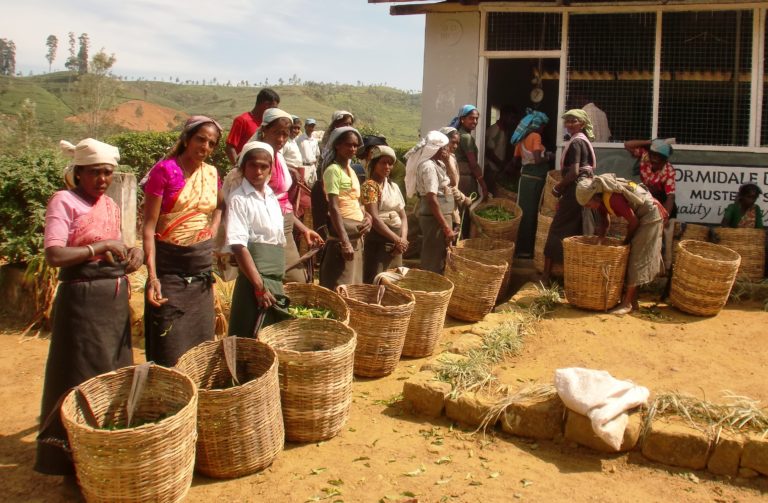
It has a long historical background. They were called as Indian Origin Tamils, as their ancestors were mostly Dalits brought from South India in the 1820s under the British colonial rule. They were confined to the tea and rubber plantations and a small number to coconut plantations. Under a regimented system of labor management, the separate laws, rules and regulations were enacted to govern the people living in the estate sector.
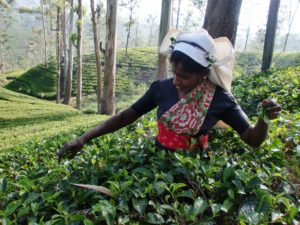
These laws and regulations remained even after the independence of the country in 1948 and eventually limited the estate community population access to public services which were available in other communities. Until the recent years, they had been denied the right to mobility, and the management itself responsible for their welfare, including health and education and for the supply of goods needed.
They have also faced a series of issues that are ascribed to statelessness. This problem was said to be resolved in 2003 when the citizenship was provided to all Indian migrants by collective efforts of advocacy by the concerned groups and organizations. However, since they have not had adequate opportunities to interact with other communities and remained isolated from the rest of the population, they have been subjected to discrimination in many areas.
Plantation health system
Up to mid-1970s, the Social Development Division (SDD) had been responsible to manage the welfare facilities of estate populations with guidance from the Ministry of Health (MoH). However, the very high morbidity and mortality levels persisted due to unsanitary and congested living conditions and social and economic conditions. After the privatization of estates in 1992, the Plantation Human Development Trust (PHDT) was established.
The PHDT was tasked to look after the social and welfare needs of the plantation community with the involvement of Registered Plantation Companies (RPC) and Plantation Trade Unions. The PHDT was expected to cooperate with MoH, apart from their social welfare activities. As one of the health staff of PHDT, Estate Medical Assistants (EMAs) who are in charge of dispensary in the estates provides treatment to workers when they fall ill.
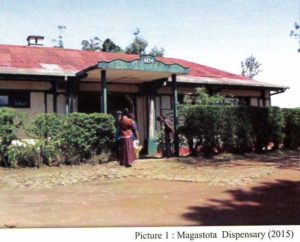
However, the estate community of small estate, and the non-working population living in the estates are not covered. PHDT services are mainly limited to the RPC-managed estates and to the estate worker population. It has created many socio-economic problems in the estate sector affecting the health of estate community population. Thus, after 30 years of privatization, most health care indicators such as Infant Mortality Rate, Neonatal Mortality Rate, Under-five Child Mortality rate in the estate sector are lagging far behind the national figures.
Making structural change
In order to eliminate the significant gaps between the estate sector performance and the progress made at the national level, and avoid future complications of existing system, the highest priority and urgency was needed to be given in bringing the health and nutrition coverage fully under the national health system of MoH.
Human Development Organization (HDO) has worked with underprivileged and marginalized communities in the plantation area since 1992. HDO has provided human rights and other related education for empowerment of the community so that the people can voice their concerns regarding human rights.
Community efforts on the campaign
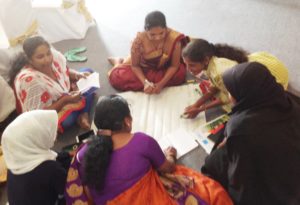
The community participation, particularly plantation teachers and youths, in our campaign on the integration of plantation health in to the state health system was very remarkable and constructive. Community members participated in the community level dialog, media (News Paper, Radio) programs, campaigns and lobby activities on the differences and discrimination between estate and state health system. During the local and general elections, plantation people questioned about the public health and the equality in the health among the politicians and political parties. The other CBOs, CSOs and Trade Unions also supported HDO’s lobby, advocacy and campaigns for the right to equality in public health and good health facility.
Aside from the activities to strengthen the civil society movements in the community, the HDO have conducted various researches, policy studies and strategic planning on Status of Health in the Plantation Sector, and integration of plantation health structure in to the national health system jointly with the health authorities who showed their interest in the plantation health issues. The evidence-based facts of the research and policy study were shared with the policy planners and decision makers. The policy planning prepared was distributed to the higher authorities of the health sector and professionals of the other fields. HDO also involved dialog with Director General of Health Services
continuously and organized national consultations with national and international organizations.
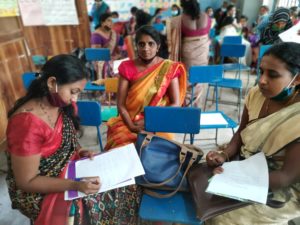
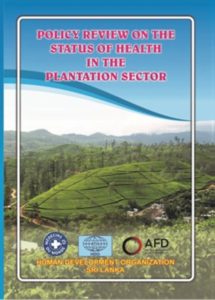
The HDO continued its campaign based on its studies and strategies. HDO was invited to the Parliament of Sri Lanka – Sectorial Overseeing Committee (SOC) on Health meeting on 7th August 2019, was asked to submit a strategic plan on Integration of the Plantation Health Sector with the State Health System. Accordingly, the HDO submitted the strategic plan to the Chairman of the SOC on Health, Members of Parliament, and Higher officers of Health Ministry, Plantation Ministry, Land Ministry and PHDT officers.
As per SOC decision to absorb 50 estate hospitals initially, a list containing most needy estate hospitals prepared jointly with the Regional Director of Health Services offices, and Medical Officers of Health, was handed over. As a result, all dispensaries should come under MoH at least legally.
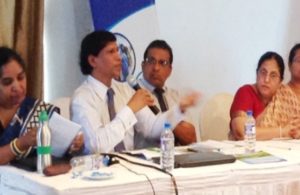
On a slogan “All health for all, Health is Fundamental Right”
This was pursued with advocacy and lobby with evidence-based research and sharing among the present ruling and opposition Members of Parliament, Ministers, national, international organizations/CSOs and professional and social media. It is in this background that the Cabinet Decision is viewed as important. We trust that this action with community participation on a slogan “All health for all, Health is a Fundamental Right” provides a good practice to be emulated by the civil society that acting in a proper and planned and reasonable manner, will make achieving policy change and development easy. We trust that this will enable approximately one million people living on 450 estates to reach their right to health and public service.
However, this is only a policy reform. As to how the government will act to implement the policy, budgetary allocation and its benefit will accrue to the people, could only be found out through long term monitoring and advocacy by institutions like HDO.
- Categories
- Alumni now and Learning Community